
Investor Relations




-
 5 Step Guide To Ease The Home Loan Process
Follow this 5-step home loan guide to understand eligibility, application, approval and disbursement for a smooth loan journey.
-
 Rules for Loan Against Property: Eligibility & Tips
Read the latest insights from Sammaan Capital.


- 5 Step Guide To Ease The Home Loan Process
Follow this 5-step home loan guide to understand eligibility, application, approval and disbursement for a smooth loan journey.
- Rules for Loan Against Property: Eligibility & Tips
Read the latest insights from Sammaan Capital.




- 5 Step Guide To Ease The Home Loan Process
Follow this 5-step home loan guide to understand eligibility, application, approval and disbursement for a smooth loan journey.
- Rules for Loan Against Property: Eligibility & Tips
Read the latest insights from Sammaan Capital.
About Us







All you need to know
- 5 Step Guide To Ease The Home Loan Process
Follow this 5-step home loan guide to understand eligibility, application, approval and disbursement for a smooth loan journey.
- Rules for Loan Against Property: Eligibility & Tips
Read the latest insights from Sammaan Capital.
Products







All you need to know
- 5 Step Guide To Ease The Home Loan Process
Follow this 5-step home loan guide to understand eligibility, application, approval and disbursement for a smooth loan journey.
- Rules for Loan Against Property: Eligibility & Tips
Read the latest insights from Sammaan Capital.
Calculators





All you need to know
- 5 Step Guide To Ease The Home Loan Process
Follow this 5-step home loan guide to understand eligibility, application, approval and disbursement for a smooth loan journey.
- Rules for Loan Against Property: Eligibility & Tips
Read the latest insights from Sammaan Capital.

What is a Home Loan Top-Up and How Does it Work?
If you are already repaying a home loan, you may not need a separate loan the next time you need funds. A home loan top-up lets you borrow an additional amount against the same property, usually at a lower interest rate than a personal loan and with far less paperwork.



Table of Content
What is a Home Loan Top-Up? How Does a Home Loan Top-Up Work? What are the Uses for a Housing Loan Top up? Benefits of a Home Loan Top-Up Home Loan Top-Up Interest Rates Who Can Apply for a Home Loan Top-Up? How to Apply for Home Loan Top-up with Sammaan Capital? Tax Benefits on a Home Loan Top-Up Final Thoughts FAQs
What is a Home Loan Top-Up?
A home loan top-up is additional funding you can take over and above your existing home loan, using the same property as security. It is offered to borrowers who already have a home loan and have been repaying it well, so there is no need to pledge a new asset or start a fresh loan from scratch.
Because the funds are secured against a property you have already mortgaged, a top-up usually comes at a much lower interest rate than an unsecured loan, with far less paperwork. It is one of the simplest ways for an existing home loan borrower to raise funds when a new need comes up.
How Does a Home Loan Top-Up Work?
Once you have repaid your home loan regularly for a while and built a clean track record, your lender can offer you an additional amount on the same loan. The amount available depends on your repayment history, the current value of your property, and how much of your home loan is still outstanding.
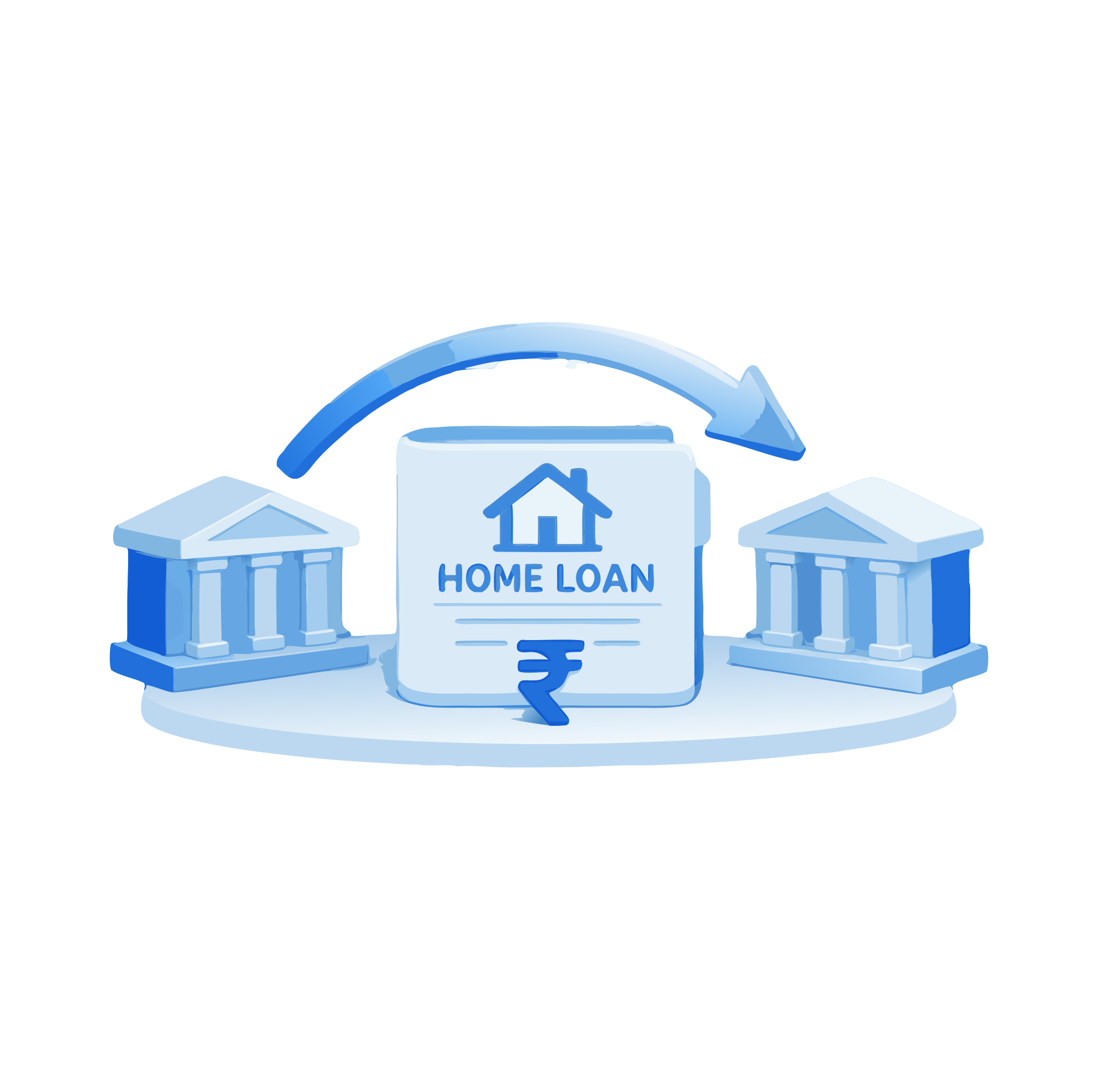
On approval, the top-up is given to you as a lump sum, and you repay it in EMIs much like your home loan. If you took your original loan elsewhere, you can also move it to Sammaan Capital through a Home Loan Balance Transfer and take a top-up at the same time, bringing both into a single, convenient loan.
What are the Uses for a Housing Loan Top up?
One of the biggest advantages of a home loan top up is how flexibly it can be used. It suits a wide range of planned needs, such as:
- Improving your home: Fund renovation, repairs, or an upgrade that adds comfort and value to your property.
- Consolidating costlier debt: Replace high-interest borrowing, such as credit card dues, with a single loan at a much lower rate.
- Meeting major life expenses: Support a significant personal milestone, such as a family event or higher education.
- Covering an emergency: Have funds on hand for an unexpected medical or family need.
- Investing in your business: Put working capital towards a business need, if your lender permits that use.
Since the funds come at close to a home loan interest rate, a top-up is often a far more economical choice than a separate high-interest loan for the same need.
Benefits of a Home Loan Top-Up
For an existing borrower, a top-up brings together several advantages that a fresh loan rarely matches.
- A low interest rate: As a secured loan, it is priced well below unsecured options such as a personal loan or credit card.
- No new collateral: Your existing mortgaged property secures the top-up, so there is nothing extra to pledge.
- Minimal paperwork: As your lender already has your details, the documentation is usually light and the process quick.
- Flexible use of funds: You can use the amount for a broad range of needs rather than a single fixed purpose.
- One simple repayment: The top-up is repaid in EMIs alongside your home loan, so your finances stay easy to manage.
Home Loan Top-Up Interest Rates
Because a top-up is secured against your property, its home loan top up interest rate is far lower than what you would pay on an unsecured loan, and it sits close to a home loan rate. A top-up carries a floating rate of interest, which the lender may revise from time to time in line with market conditions and its own commercial assessment.
The exact home loan top up interest rate you are offered depends on your profile, your repayment record, and the loan amount and tenure. Before you borrow, it helps to use a home loan top-up calculator to see your EMI and plan a tenure that keeps the repayment comfortable while limiting the interest you pay overall.
Interest rates, fees and charges are indicative, subject to change at the company's discretion, and vary by applicant profile and credit assessment.
Who Can Apply for a Home Loan Top-Up?
A top-up is meant for existing home loan borrowers, so the main requirement is that you already have a home loan and have been repaying it well. Lenders look for a clean repayment record over a reasonable period, with EMIs paid on time.
Beyond that, the amount you can borrow depends on the current value of your property and how much of your original loan you have repaid, since this is what creates room for additional funding. Your overall profile, including your income and credit record, is also considered, much as it was for your home loan.
How to Apply for Home Loan Top-up with Sammaan Capital?
Applying for a home loan top-up is usually simpler than taking a new loan, because your lender already holds most of your information. You can approach your lender, who will assess your repayment record and the current value of your property, and the additional amount is disbursed on approval.
The paperwork is typically light. You may be asked for updated KYC, recent income documents, and your existing loan details, so keeping these ready helps. If your home loan is with another lender, you can bring it to Sammaan Capital through a Balance Transfer and add a top-up in the same step, which can also lower your rate on the existing loan.
Tax Benefits on a Home Loan Top-Up
A top-up can offer home loan tax benefits, but it depends entirely on how you use the funds. If you use the top-up for your house, such as construction, repair, or renovation, the interest you pay, and in some cases the principal, may qualify for a deduction under the applicable sections of the Income Tax Act, subject to the usual conditions and limits.
If you use the funds for other purposes, these benefits generally do not apply. Tax rules depend on your personal circumstances and can change, so it is best to confirm the current position, and keep proof of how the funds were used, with a qualified tax advisor before you plan around any benefit.
Final Thoughts
A home loan top-up turns the loan you already have into a ready source of low-cost funds, without the trouble of a new application or fresh collateral. If you have been repaying your home loan well and a genuine need comes up, it is well worth comparing a top-up against a separate loan before you decide. More often than not, borrowing against what you already own is the simpler and more economical route.
Interest rates, fees, charges and eligibility criteria are indicative, subject to change at the company's discretion, and vary by applicant profile and credit assessment. Please refer to the latest terms and conditions before applying.
Frequently Asked Questions
What is a home loan top-up?
A home loan top-up is additional funding you take over and above your existing home loan, secured against the same property. It is available to borrowers who already have a home loan and have repaid it well, and it usually comes at a much lower rate and with less paperwork than a separate loan.
How much can I borrow as a top-up?
The amount depends on your repayment track record, the current value of your property, and how much of your home loan is still outstanding. Together these decide how much additional funding you can take, so it varies from one borrower to another.
What is the interest rate on a home loan top-up?
Because it is secured against your property, a top-up is priced well below unsecured loans and close to a home loan rate. The exact rate depends on your profile, repayment record, and the loan amount and tenure. A home loan top-up calculator can help you see your EMI before you apply.
Can I use a home loan top-up for any purpose?
A top-up can be used flexibly, for needs such as home improvement, consolidating costlier debt, or a major personal expense. Keep in mind that tax benefits apply only when the funds are used for the house itself, so it is worth confirming the position with a tax advisor if that matters to you.
What documents are required to apply for a home loan?
For a fresh home loan, you generally need identity and address proof (such as PAN and Aadhaar), income proof (salary slips, Form 16, and bank statements for salaried applicants, or ITRs, financial statements, and bank statements for self-employed applicants), and the property documents for the home you are buying. The exact list can vary with your profile and the property.
What documents should I gather now to speed up home loan approval?
Keeping a complete, up-to-date set ready in advance avoids back-and-forth later. Gather your KYC documents, your latest income proofs, your most recent bank statements, and the available property papers before you apply. A clear and accurate set upfront helps the lender assess your application without delays.
What is the difference between processing time and approval time for a home loan?
Approval, or sanction, is the lender's decision that you qualify and for how much, based on your income, credit record, and overall profile, and it can come fairly quickly. Processing time is the full end-to-end timeline, which also includes verifying your documents, the legal and technical checks on the property, and the final disbursal, so it usually takes longer than the initial approval.
Share This Article


Explore Popular Blogs
Explore Other Categories

A-34, 2nd & 3rd Floor, Lajpat Nagar - II, New Delhi - 110024



100% safe and secure


Our Dedicated Support






100% safe and secure