
Investor Relations


-
 5 Step Guide To Ease The Home Loan Process
Follow this 5-step home loan guide to understand eligibility, application, approval and disbursement for a smooth loan journey.
-
 Rules for Loan Against Property: Eligibility & Tips
Read the latest insights from Sammaan Capital.


- 5 Step Guide To Ease The Home Loan Process
Follow this 5-step home loan guide to understand eligibility, application, approval and disbursement for a smooth loan journey.
- Rules for Loan Against Property: Eligibility & Tips
Read the latest insights from Sammaan Capital.




- 5 Step Guide To Ease The Home Loan Process
Follow this 5-step home loan guide to understand eligibility, application, approval and disbursement for a smooth loan journey.
- Rules for Loan Against Property: Eligibility & Tips
Read the latest insights from Sammaan Capital.
About Us






All you need to know
- 5 Step Guide To Ease The Home Loan Process
Follow this 5-step home loan guide to understand eligibility, application, approval and disbursement for a smooth loan journey.
- Rules for Loan Against Property: Eligibility & Tips
Read the latest insights from Sammaan Capital.
Products


All you need to know
- 5 Step Guide To Ease The Home Loan Process
Follow this 5-step home loan guide to understand eligibility, application, approval and disbursement for a smooth loan journey.
- Rules for Loan Against Property: Eligibility & Tips
Read the latest insights from Sammaan Capital.
Calculators

All you need to know
- 5 Step Guide To Ease The Home Loan Process
Follow this 5-step home loan guide to understand eligibility, application, approval and disbursement for a smooth loan journey.
- Rules for Loan Against Property: Eligibility & Tips
Read the latest insights from Sammaan Capital.

How to Plan for a Down Payment on a Home Loan?
Before your home loan is even approved, there is one amount you must fund entirely on your own: the down payment. Knowing the minimum down payment for a home loan and starting to save for it early can be the difference between a comfortable EMI and a stretched one.


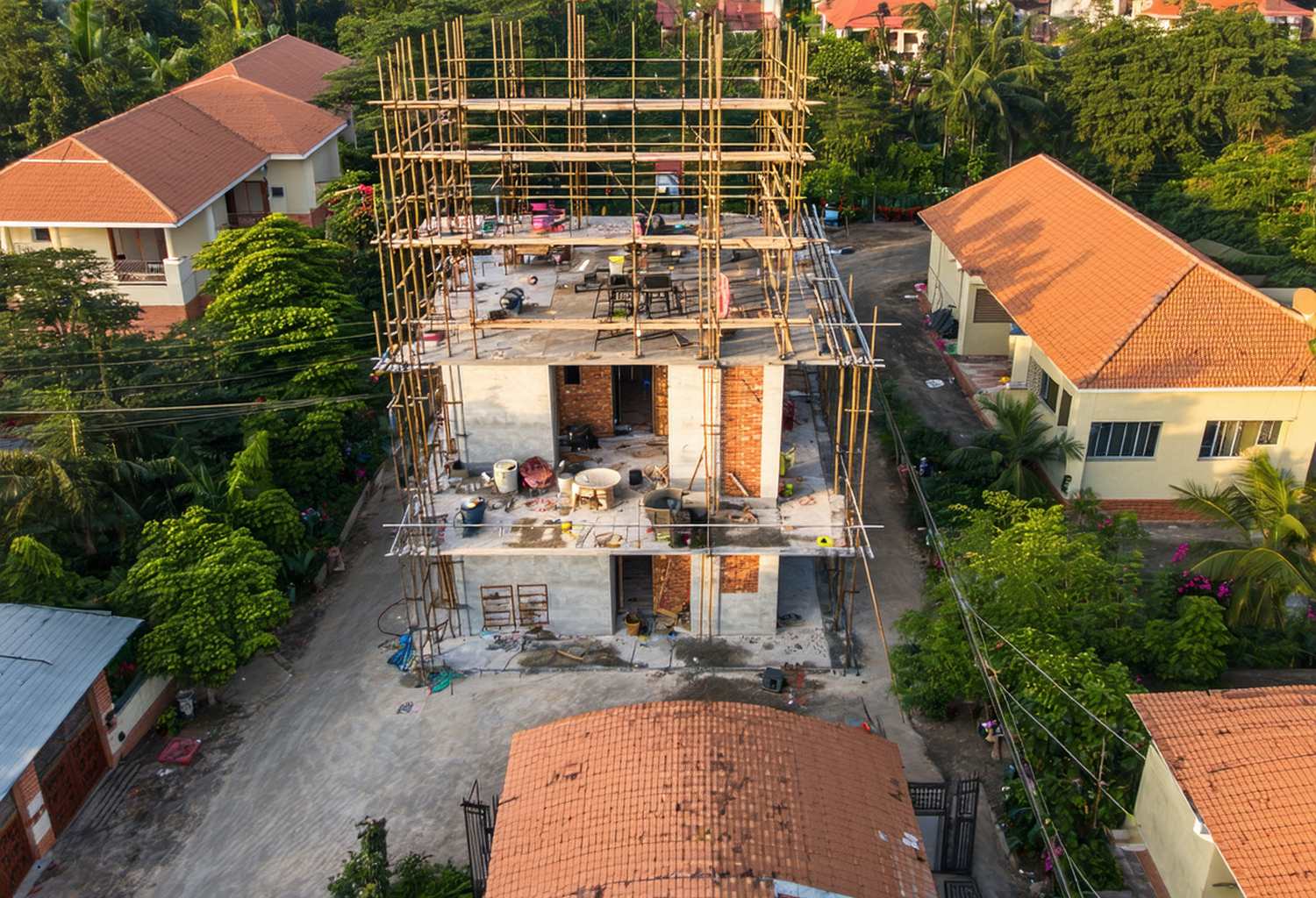
Table of Content
What is Down Payment on a Home Loan?
A home loan down payment is the part of the property's cost that you pay from your own funds, while the home loan covers the rest. If you buy a home worth ₹50 lakh and pay ₹10 lakh yourself, that ₹10 lakh is your down payment and the remaining ₹40 lakh is your loan amount.
Lenders fund a share of the property's value rather than the whole of it, so some contribution from you is always expected. The share a lender can finance is set by its loan-to-value limits, which means a fully funded, zero down payment home loan is not available. Planning for this upfront amount is therefore a key part of getting ready to buy.
Why Does Down Payment on Home Loan Matter?
The size of your down payment for house shapes your loan and your monthly budget in several ways.
- A smaller loan amount: The more you pay upfront, the less you need to borrow, which keeps your overall loan lighter.
- A lower EMI: A smaller loan means a smaller monthly instalment, leaving more room in your budget for other goals.
- Less interest over time: Borrowing less means you pay interest on a smaller amount, which reduces the total cost of your loan.
- A stronger application: A healthy home loan down payment reflects well on your profile and can support a smoother assessment of your home loan eligibility.
You can use a home loan EMI calculator to see how different down payment amounts change your EMI before you decide.
How Much Down Payment for Home Loan You Will Need?
How much you pay upfront depends mainly on how much of the property's value the lender can fund, with the balance coming from you. At Sammaan Capital, a home loan can fund up to 90%* of the property value for eligible loans up to ₹30 lakh, so your home loan down payment would be the remaining share. For higher loan amounts, you can usually expect to contribute a little more from your own funds.
The exact funding depends on your profile, the property, and the lender's assessment, and it can differ for an under-construction home. It is sensible to plan for a little more than the minimum, so you are comfortable rather than stretched.
Interest rates, fees, charges and eligibility criteria are indicative, subject to change at the company's discretion, and vary by applicant profile and credit assessment.
Other Expenses to Keep in Mind Before Making Down Payment
Buying a home involves more than the down payment alone, so it helps to plan for the whole upfront cost. Alongside your home loan down payment, set aside funds for the other charges that are usually paid from your own pocket.
- Stamp duty and registration: These statutory charges on the purchase can add a meaningful amount and vary by state.
- Legal and documentation costs: Fees for verifying the property's papers and completing the paperwork.
- One-time loan charges: Costs such as the processing fee, which are separate from the loan amount.
- Moving in and setting up: Furnishing, basic repairs, and other costs of actually settling into your new home.
Adding these to your home loan down payment gives you a realistic target to save towards, with no unwelcome surprises close to the purchase.
How to Build Your Down Payment Fund?
Once you know your target, a steady plan makes it far easier to reach. A few habits help the amount grow without putting your daily life under strain.
- Start early: The sooner you begin, the more time your savings have to build, and the less you need to set aside each month.
- Budget with intent: A simple framework, such as directing a fixed share of your income to needs, wants, and savings, keeps your goal on track. Automating a monthly transfer into a separate account makes it effortless.
- Match where you save to your timeline: For money you will need soon, stability matters more than returns, so lower-risk options suit a short horizon. If your purchase is several years away, you may consider options with growth potential, keeping in mind that market-linked investments carry risk.
This is general information rather than financial advice, and the right mix depends on your own goals and comfort with risk, so it is worth speaking to a qualified financial advisor before you commit.
What if You Don’t Have Enough for Down Payment?
If your savings fall a little short of the home you have in mind, there are healthier options than over-borrowing. Adding an earning co-applicant, such as your spouse or a parent, can strengthen your home loan eligibility and may support a larger loan, which reduces the down payment for house you need to find on your own. Choosing a home that sits comfortably within your budget, or giving yourself a few more months to save, can also close the gap without strain. At Sammaan Capital, our team can help you understand the funding you may qualify for, so you can plan your home loan down payment with a clear picture.
Final Thoughts
A down payment can feel like a tall order at first, but with an early start and a clear target, it becomes very achievable. Work out the full upfront cost, save towards it steadily, and protect your emergency fund along the way, and you will arrive at your purchase in a strong, confident position.
Interest rates, fees, charges and eligibility criteria are indicative, subject to change at the company's discretion, and vary by applicant profile and credit assessment. Please refer to the latest terms and conditions before applying.
Frequently Asked Questions
What is a down payment on a home loan?
A down payment for house is the part of the property's cost you pay from your own funds, while the home loan covers the rest. For example, on a ₹50 lakh home with a ₹10 lakh down payment, your loan would be ₹40 lakh.
How much down payment is required for a home loan in India?
It depends mainly on the loan amount. As a general guide, funding can be up to 90%* of the property value for eligible loans, so your down payment is the balance. The exact figure depends on your profile and the property.
Can I get a home loan with no down payment?
No. Lenders finance a share of the property's value rather than all of it, so a fully funded, zero down payment home loan is not available. Some contribution from you is always expected.
How can I save for a down payment?
Start early, set a clear target that includes charges such as stamp duty and registration, and save a fixed amount each month, ideally into a separate account. Match where you keep the money to how soon you will need it, and avoid dipping into your emergency fund.
Should I take a personal loan for my down payment?
It is best avoided. Borrowing for your down payment adds a second, costlier EMI and can weaken your home loan eligibility. Saving a little longer, choosing a home that fits your budget, or adding an earning co-applicant are healthier ways to bridge a gap.
Does a larger down payment help my home loan?
Yes. A larger down payment means a smaller loan, a lower EMI, and less interest over the life of the loan, and it can also support a smoother assessment of your application.
What is the minimum down payment for home loan that is required?
The minimum down payment for home loan required would depend on your profile. The minimum down payment can start from 10% onwards, depending on your eligibility and property type.
Share This Article


Explore Popular Blogs
Explore Other Categories

A-34, 2nd & 3rd Floor, Lajpat Nagar - II, New Delhi - 110024



100% safe and secure


Our Dedicated Support






100% safe and secure